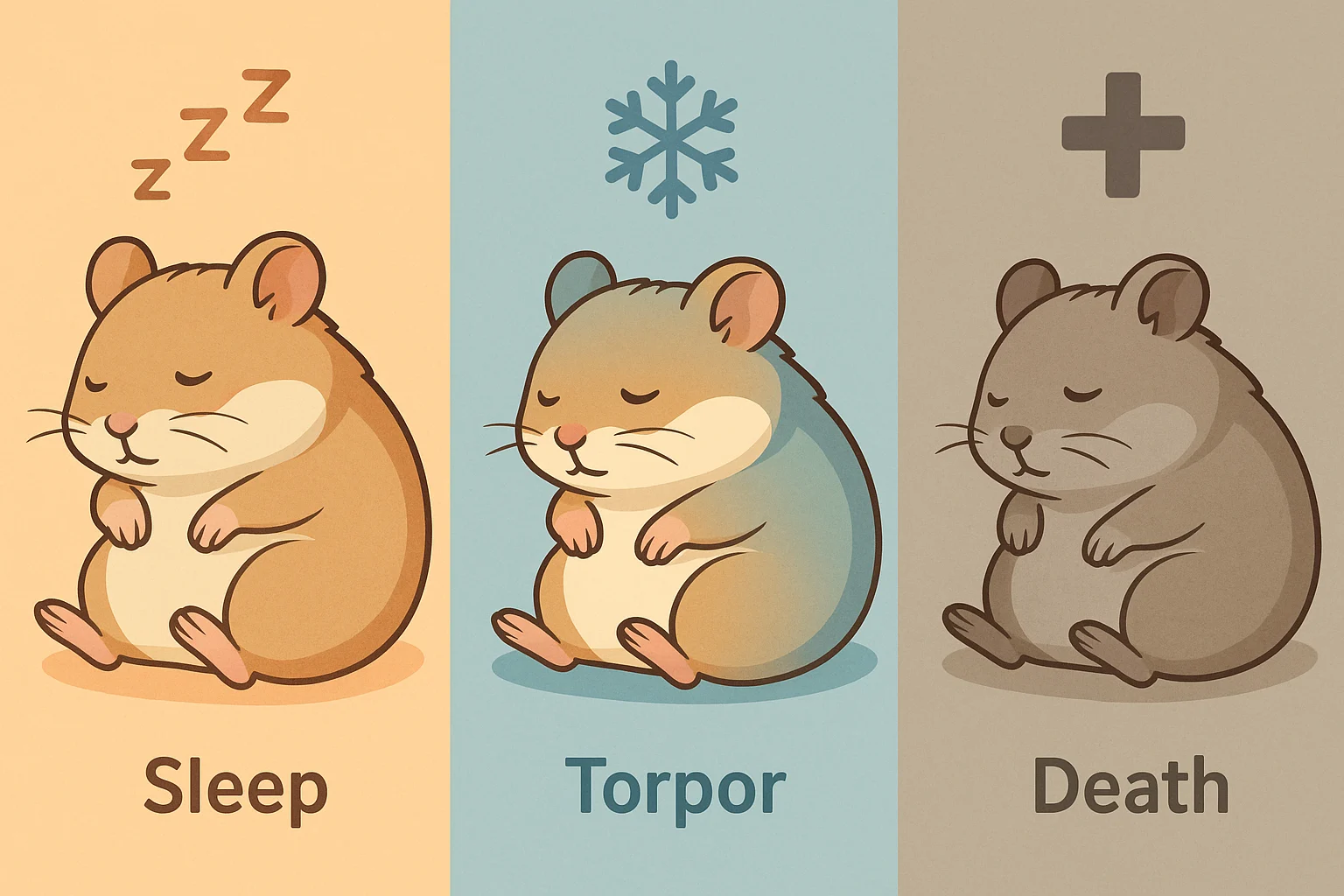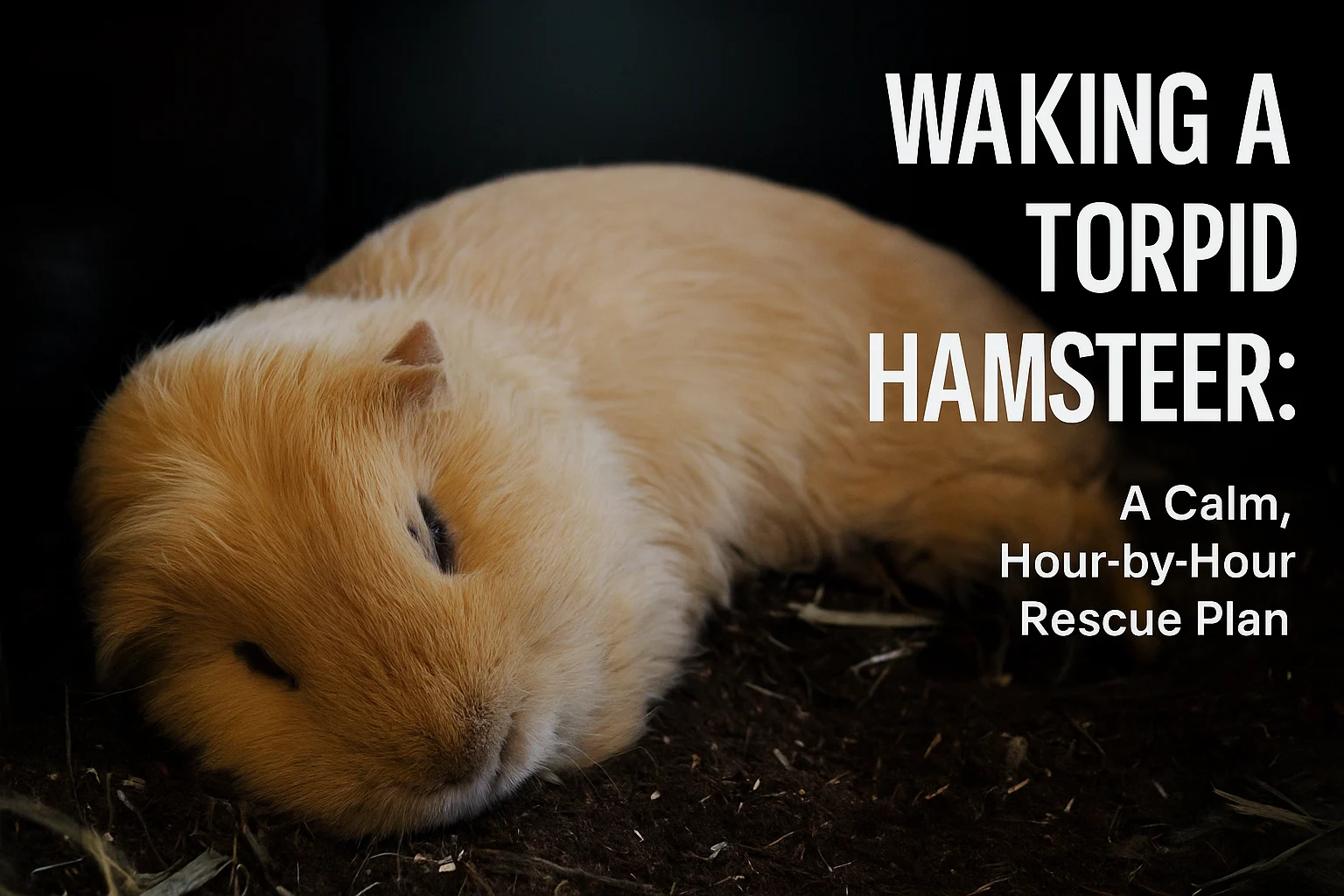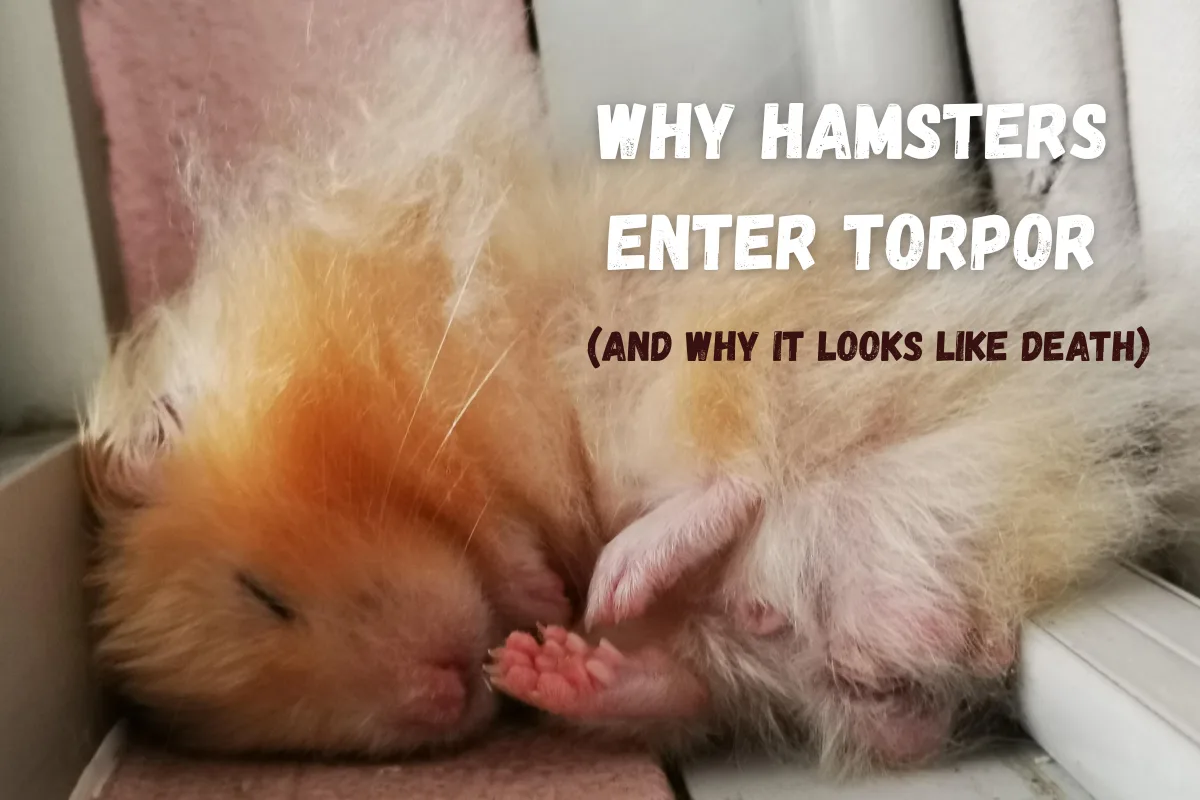




As a hamster owner, few experiences are more distressing than finding your furry friend cold, motionless, and unresponsive in their cage. In that moment of panic, it’s easy to fear the worst—but don’t act too quickly. It’s possible your hamster isn’t dead, but in a state of torpor, a short-term survival mode that mimics hibernation.
Telling the difference between torpor and death can be tricky, but understanding the signs—and what to do next—can help you act quickly and compassionately.
Do Hamsters Really Hibernate?
Hamsters don’t hibernate in the true biological sense, like bears or ground squirrels. But under cold, dark, or low-energy conditions, they may enter torpor—a short-term, emergency shutdown of bodily functions. This survival strategy helps conserve energy when conditions are harsh.
Different hamster species respond differently to environmental stress:
- Syrian hamsters (the most common pet breed) are more prone to torpor, especially if temperatures fall below 20°C (68°F).
Dwarf and Chinese hamsters rarely enter torpor, but very cold or poorly lit environments can still cause lethargy or distress.
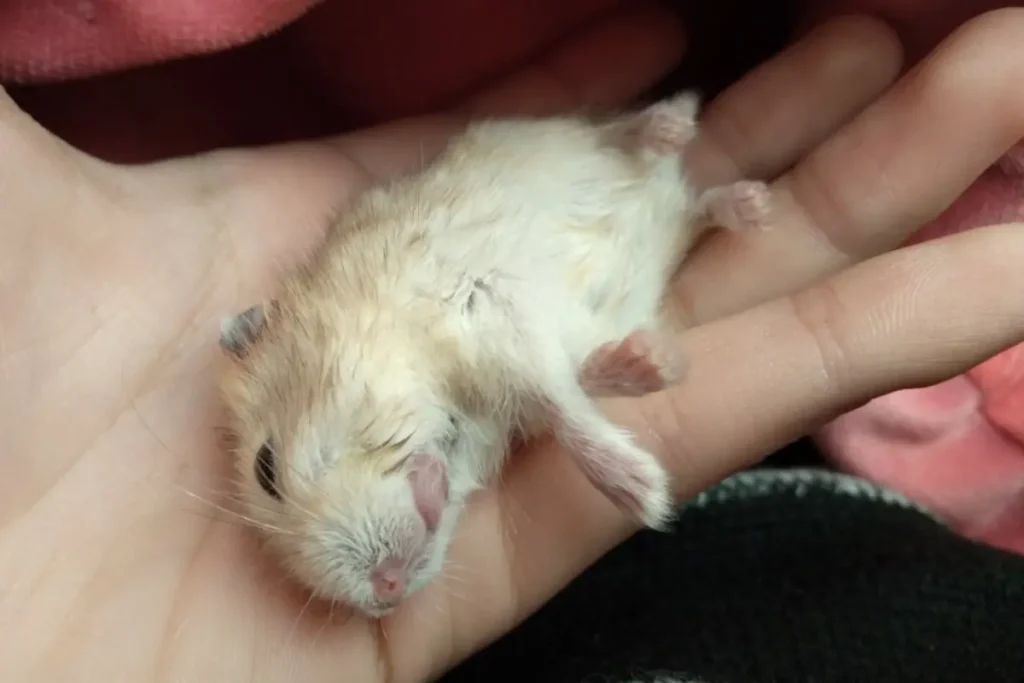
Why Some Hamsters “Play Dead”
To a human observer, a hamster in torpor may look exactly like a dead pet: limp, cold, and still. But it’s a survival instinct, not a theatrical act. Torpor is often triggered by:
- Temperatures below 20 °C (68 °F) or exposure to drafts near windows or walls
- Reduced light—less than 12 hours of bright light per day confuses the hamster’s natural rhythms
- Low food availability or dehydration
- Sudden stress from environmental change
Because pet hamsters haven’t stored up fat for true hibernation, they can’t survive long in this state. That’s why fast, gentle intervention matters.
How to Tell if Your Hamster is Hibernating
A hibernating hamster may look completely still and cold, but there are subtle signs that can help you distinguish torpor from death. Here are key indicators to check for:
✅ Signs Your Hamster May Be in Torpor (Hibernating)
- Cold to the touch: The body may feel chilly, especially in the limbs and nose.
- Limp body or curled-up posture: Often lying on their side or tucked into a corner.
- Whiskers twitch slightly: With close inspection, you might see tiny movements.
- Very slow or shallow breathing: You may need to watch closely for 30+ seconds to see a single breath.
- Unresponsive to light touch but not stiff: Gently touching the back or foot may cause a delayed twitch or movement.
- No rigor mortis: The body stays soft and flexible, not stiff or frozen.
- Still warm around the stomach or armpits: If there’s slight internal warmth, the hamster is still alive.
- Faint heartbeat: Place your finger gently on the chest to feel for movement.
Pro tip: Use a mirror or a spoon to check for breath—hold it near the hamster’s nose to look for fogging. Even the smallest breath can leave a mark.
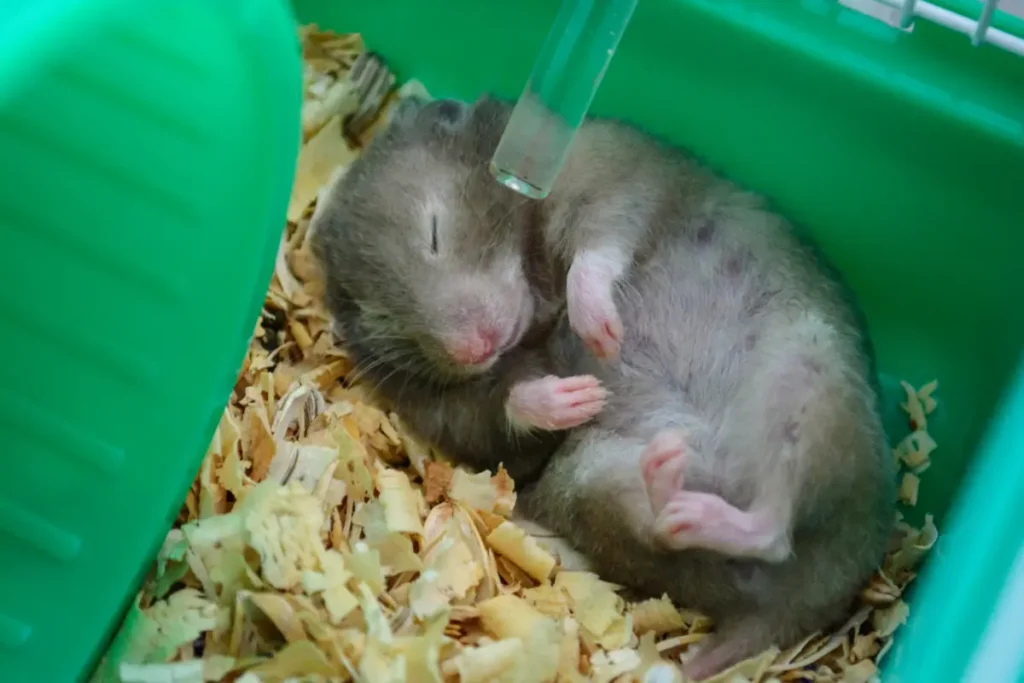
❌ Signs Your Hamster May Have Passed Away
- Body is cold and stiff (rigor mortis): Within 1–6 hours after death, muscles stiffen.
- No response to handling or sound: Even loud noises or gentle lifts produce nothing.
- Cloudy, sunken, or dull eyes: Eyes may dry out or change in appearance.
- No detectable breath or heartbeat after several minutes of observation
- Body discoloration: Pale or blue-gray coloring, especially around the mouth and feet.
- Unpleasant odor: Decomposition begins quickly after death.
- Presence of flies or insects: In advanced cases, signs of decay will appear.
If several of these signs are present and there’s no indication of breathing or movement, it is likely your hamster has passed.
Hibernating vs. Deceased Hamster
| Sign | Hibernating (Torpor) | Deceased Hamster |
|---|---|---|
| Body Temperature | Cool to the touch, but not icy; belly remains soft and pliable | Cold and stiff (rigor mortis sets in within 1–3 hours) |
| Breathing & Heartbeat | Extremely slow—1 breath every 1–2 minutes; faint heart rate (5–20 BPM) | No visible breathing; heartbeat absent after careful checking |
| Limb Flexibility | Limbs are soft and can be gently moved | Body becomes rigid and immobile |
| Response to Touch | May twitch, flick whiskers, or react faintly to warmth | No reaction to stimulation or warmth |
| Eye Condition | Closed or half-closed; moist or glassy | Dull, sunken, or dry |
| Odor | No odor | Foul, sweet, or sour odor may develop as decomposition begins |
| Discoloration | None | Blue or purple-tinged extremities (ears, feet, nose) |
What to Do if Your Hamster is Hibernating (Torpor)
If you think your hamster is in torpor—not dead—there are immediate steps you can take to help them recover:
Gently Rewarm Them:
- Move them to a warmer, draft-free space (68–75°F or 20–24°C).
- Use your hands, a warm towel, or place a heating pad on low under half of the cage—never apply direct heat to the hamster.
- Avoid sudden temperature changes—gradual warming is safer.

Offer Fluids & Monitor:
- Use a clean syringe or dropper to offer a few drops of water or sugar water near the mouth.
- Observe closely over 1–2 hours. If the hamster is in torpor, it may slowly become alert, begin to twitch, and eventually resume normal activity.
⚠️ If there’s no improvement within 24 hours—or you’re unsure if they were alive to begin with—consult an exotics-savvy vet immediately.
How to Prevent Torpor in the Future
Torpor is preventable with proper care. Here’s how to reduce the risk:
- Stable Temperature: Keep your hamster’s habitat between 65°F and 75°F (18°C–24°C) year-round.
- No Drafts: Avoid placing the cage near windows, doors, or air conditioning vents.
- Proper Lighting: Maintain a consistent light-dark cycle with at least 12–14 hours of bright light daily, especially in winter.
- Deep Bedding: Provide plenty of soft material for burrowing and insulation.
- Fresh Food & Water: Keep their water bottle full and food dish replenished at all times.
- Daily Monitoring: Check every evening to make sure your nocturnal friend is active and eating normally.
When It’s Probably Too Late
If your hamster is:
- Stone-cold and stiff in a warm room
- Unresponsive to gentle touch or warmth
- Shows no signs of breathing or pulse after careful checks
- Emits a foul odor
- Has sunken eyes or blue-tinged extremities
…it has likely passed away.
You may want to contact your veterinarian for confirmation, emotional support, or to discuss respectful after-care options.
Final Words: Stay Calm, Act Carefully
Finding a still hamster is heartbreaking—but it’s not always the end. Torpor can look alarmingly like death, but with the right knowledge and gentle handling, it can be reversed.
Stay calm, warm your pet gradually, and always look for small signs of life before making a final decision.