


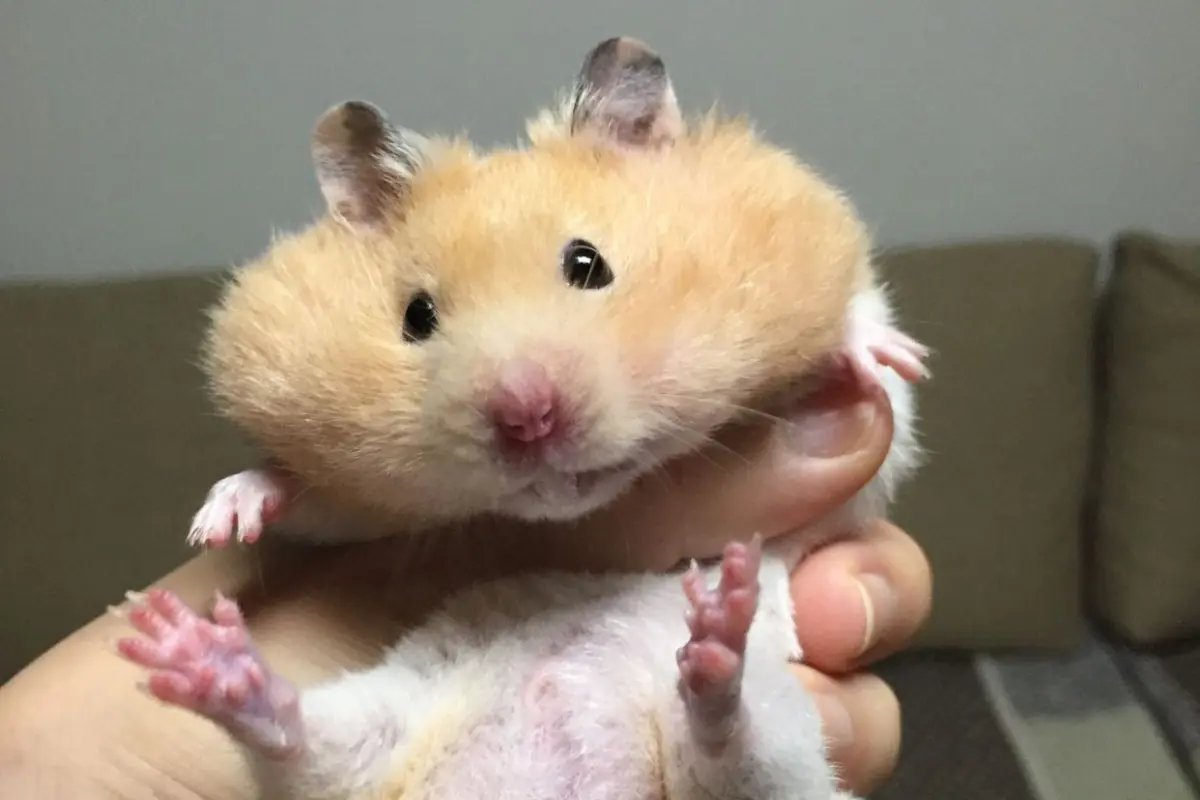
It’s easy to miss at first—a little limp, some redness on the feet, or maybe your hamster just isn’t as active as usual. But that small sign could be the beginning of something serious: bumblefoot.
Medically known as ulcerative pododermatitis, bumblefoot is more than just a sore paw. It’s a progressive condition marked by painful inflammation and infection of the footpads. If left untreated, it can make movement difficult and even pose life-threatening risks.
🐾 What Is Bumblefoot?
Bumblefoot is essentially a skin and soft tissue infection that starts in the footpads of your hamster. It usually begins with repeated pressure, friction, or injury to the feet. Once the skin is irritated or damaged, bacteria—especially Staphylococcus aureus—can enter and cause infection.
In mild cases, you might just see a red or swollen foot. In severe cases, the infection can travel deeper, affecting tendons, joints, or even bone tissue. This isn’t just uncomfortable—it can become debilitating if ignored.
What Causes Bumblefoot in Hamsters?
Bumblefoot doesn’t just show up all of a sudden. It usually happens over time because of things in your hamster’s cage or daily routine. Here are the most common reasons why your hamster might get sore, swollen feet:
1. Rough or Unsafe Flooring
Wire floors or hard, bumpy surfaces can be rough on tiny hamster feet. Walking on those all day can cause small cuts or bruises. If the skin breaks, it’s easier for bacteria to get in and cause infection.
🛑 Wire floors may be easy to clean—but they’re not safe for your hamster’s paws. Always use a solid, flat surface in the cage.
2. Dirty Cage Conditions
When the bedding gets wet or dirty from pee and poop, it becomes a perfect place for bacteria to grow. If your hamster has a small scratch or sore, it can easily get infected.
🧼 Clean cages = healthy feet. Spot clean every day and do a full clean once a week.
3. Extra Weight and Not Enough Exercise
If your hamster is overweight, there’s more pressure on their feet. That makes it easier for sores to form. And if your hamster doesn’t move around much, their circulation slows down—which also makes healing harder.
⚖️ Keep your hamster active with a wheel, toys, and a safe space to explore.
4. Wrong or Not Enough Bedding
If the bedding is too thin, too rough, or doesn’t cover the whole cage, your hamster’s feet won’t get the cushion they need. This makes it more likely for sores or pressure points to develop.
🛏️ Use soft, fluffy bedding like paper-based or aspen. Avoid pine or cedar—they can irritate your hamster’s skin.
5. Nails That Are Too Long
If your hamster’s nails get too long, they can curl under and poke into the foot, which is painful. Long nails can also change the way your hamster walks, causing more pressure on certain spots.
✂️ Check your hamster’s nails regularly and trim them when needed. If you’re not sure how, ask a vet for help.
6. Injuries or Limpin
If your hamster hurts one foot, they might start putting all their weight on the other one. That can lead to overuse and pressure sores. And if there are hard or uneven surfaces in the cage, it makes things worse.
👀 Keep an eye out for limping or if your hamster avoids walking. These could be early signs of bumblefoot.
Symptoms and Stages of Bumblefoot
Bumblefoot doesn’t always scream for attention in the beginning. In fact, early symptoms can be quite subtle—especially if you’re not in the habit of regularly checking your hamster’s feet. But as the condition progresses, the signs become more noticeable—and more serious.
Common Symptoms to Watch For
At first, you might just notice your hamster limping or avoiding its wheel. That alone could be a red flag.
Other early signs include:
- A slight swelling or redness on the bottom of the feet
- Reluctance to walk or climb
- Decreased activity or more time spent hiding
- Flinching or squeaking when picked up
- Small scabs or calluses on the pads
- Reduced appetite (because moving to the food bowl hurts!)
Hamsters are prey animals, so they tend to hide pain very well. By the time you see clear symptoms, your hamster may already be in moderate discomfort.
The 5 Stages of Bumblefoot (Grades I–V)
Veterinarians typically categorize bumblefoot into five stages or grades. Understanding each level can help you determine how urgent the condition might be:
🔸 Grade I – Early Irritation
- Slight redness and puffiness
- Skin may feel warm to the touch
- No open wounds yet
At this stage, the damage is minimal. It’s your best window for successful home treatment.
🔸 Grade II – Swelling and Minor Ulcers
- More pronounced swelling
- Small sores or blisters may start to form
- Hamster may limp or avoid standing on one foot
This is when things begin to escalate. Early intervention with antiseptic soaks and environment changes can still make a big difference.
🔸 Grade III – Scabs and Deeper Tissue Involvement
- Thick scabs form over raw areas
- Feet may look crusty or darkened
- Discomfort becomes more obvious
By this stage, infection has reached deeper tissue layers. Vet care is highly recommended.
🔸 Grade IV – Abscesses and Tendon Inflammation
- Pus-filled abscesses may appear
- Inflammation extends into joints and tendons
- Hamster struggles to walk or stand
At this point, the condition is very painful. Medical treatment is urgent to prevent permanent damage.
🔸 Grade V – Bone Infection (Osteomyelitis)
- Severe swelling and visible deformity
- Bones may be infected or eroding
- Risk of systemic infection increases
- Quality of life is seriously affected
This stage can be life-threatening. Immediate veterinary intervention, and sometimes surgery, may be necessary.
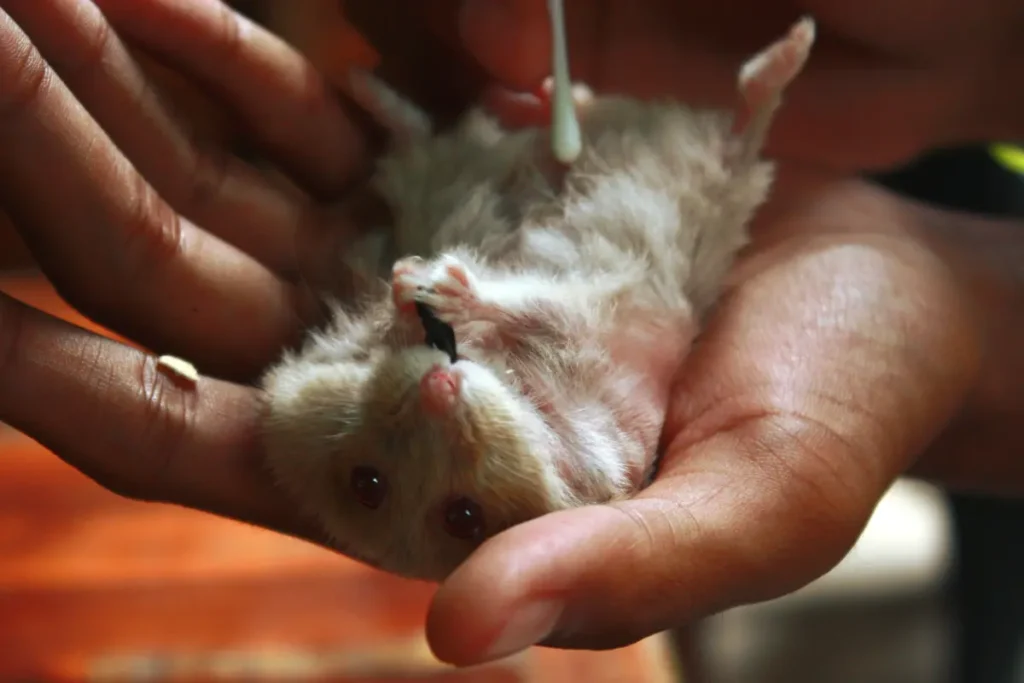
Treatment Options for Hamster Bumblefoot
Treating bumblefoot in hamsters depends largely on how advanced the condition is when you catch it. If you notice the signs early—think slight swelling or redness—you may be able to manage it at home. But once the infection sets in or begins to affect deeper tissues, a vet’s help becomes crucial.
Home Care for Early-Stage Bumblefoot (Grades I–II)
If your hamster is in the early stages of bumblefoot (mild swelling, no open wounds), you might be able to treat it effectively with diligent care at home. Here’s what to do:
1. Foot Soaks
Twice a day, soak the affected foot in a warm saline solution (1 teaspoon of salt per cup of water) or an Epsom salt bath. Keep your hamster gently restrained and soak for 10–15 minutes. This helps reduce inflammation and soften any scabbing.
2. Gentle Cleaning and Disinfection
After the soak, gently pat the foot dry with a clean cloth. Use a mild antiseptic solution—like diluted betadine or chlorhexidine—to clean the wound area and kill bacteria. Avoid using anything too strong or stinging, as it can make your hamster fearful or uncomfortable.
3. Apply Antibiotic Ointment
Use a hamster-safe topical antibiotic like silver sulfadiazine cream or chlorhexidine ointment. Apply a thin layer to the sore area. This helps prevent infection and supports tissue repair. Do this twice daily after each soak.
4. Optional Bandaging
If the wound is open or the foot is vulnerable to re-injury, you can loosely wrap it with gauze. Be very careful not to wrap it too tightly—circulation in hamster feet is delicate. Some owners skip bandaging unless absolutely necessary.
5. Environmental Fixes
Make changes to your hamster’s environment to help the healing process. Remove any wire flooring, abrasive ramps, or hard surfaces. Replace with solid platforms and plenty of soft, absorbent bedding. Clean the cage more frequently to reduce exposure to bacteria.
📝 Note: Home care should show improvement within a few days. If you don’t see healing or your hamster worsens, consult a vet.
Veterinary Treatment for Advanced Bumblefoot (Grades III–V)
If the infection has progressed beyond surface-level swelling—if there are scabs, abscesses, or signs of pain—then professional care is needed. Advanced bumblefoot is very painful and can become life-threatening if left untreated.
1. Prescription Antibiotics
Your vet may prescribe oral or injectable antibiotics (like enrofloxacin or ciprofloxacin) to fight deeper infections. These medications target the bacteria from the inside, which topical ointments can’t always reach.
2. Pain Relief
Medications such as meloxicam or carprofen are often given to reduce pain and inflammation. Pain relief is essential, especially if your hamster is limping, inactive, or struggling to eat and groom.
3. Surgical Debridement
In severe cases, where the foot is swollen with pus or dead tissue, surgery may be necessary. The vet may clean the wound thoroughly, remove damaged tissue (a process called debridement), and prescribe an aftercare regimen including antibiotics and wound care.
4. Professional Bandaging
Your vet may apply a padded, sterile dressing to the foot, especially after surgical cleaning. These bandages help protect the wound from friction and contamination while it heals.
Home Remedies & Supportive Care (Always Vet-Approved!)
Alongside standard treatment, some supportive remedies can help aid recovery—especially in early stages or in between vet visits:
Manuka Honey
This natural antibacterial agent has been shown to speed up wound healing. A small dab on a cleaned wound can provide both protection and healing benefits. Only use medical-grade honey, and always confirm with your vet first.
Vitamin C & Nutrition Support
Foods rich in vitamin C (like small bits of broccoli or bell pepper) can help support tissue repair and boost the immune system. Make sure your hamster is eating well and staying hydrated.
⚠️ Always get a vet’s approval before trying natural remedies—hamsters are small, and even safe ingredients can become dangerous in the wrong doses.
How Long Does Treatment Take?
The healing timeline varies. Mild cases may improve in a week or two, while advanced cases may take several weeks or even months. Be patient and consistent, and keep in close contact with your vet throughout the recovery period.
How to Prevent Bumblefoot in Hamsters
Prevention is where you win the battle against bumblefoot. Small changes in habitat and care can keep your hamster’s feet happy and healthy.
✅ Choose the Right Flooring
Wire-bottom cages may work for other animals, but they’re not safe for hamsters. Always use a solid floor in your hamster’s cage to protect their feet from pressure and cuts.
✅ Use Soft, Absorbent Bedding
Stick with soft bedding like paper-based or aspen shavings. Avoid pine or cedar—they’re rough and can irritate your hamster’s skin.
✅ Clean Often, Clean Well
Remove dirty bedding every day. Clean the entire cage once a week with a pet-safe cleaner. Make sure everything is dry before adding fresh bedding.
✅ Encourage Healthy Weight
Too much weight means more pressure on little feet. Feed a balanced diet and keep treats to a minimum. Give your hamster ways to exercise—like a solid-surface wheel or a safe play area.
✅ Do Weekly Foot Checks
Look at your hamster’s feet once a week. If you see redness, swelling, or scabs, start treatment early or talk to a vet.
✅ Smooth Accessories Only
Make sure toys, ramps, and platforms are smooth. No sharp edges, no wire steps, and nothing rough that could hurt their feet.
Final Thoughts
Bumblefoot may start as something small, but for your hamster, it can turn into a daily struggle.
The key is awareness. Check those tiny feet, clean that cozy cage, and provide a safe, cushioned space where your hamster can explore without pain. If you ever suspect bumblefoot, take it seriously. A bit of care today can save your hamster from a world of discomfort tomorrow.